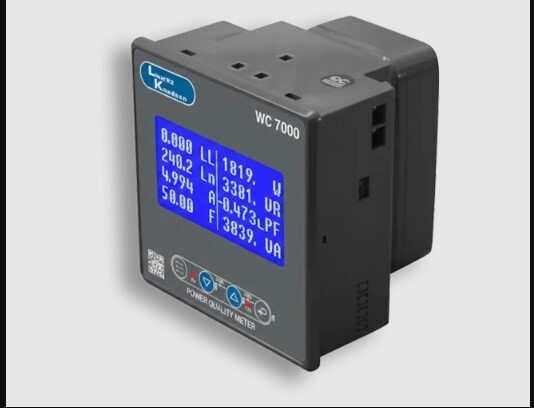
Reliable electrical power is essential for the smooth operation of industrial facilities, commercial buildings, and critical infrastructure. Poor power quality can lead to equipment failures, unexpected downtime, increased energy costs, and reduced productivity. As businesses become more dependent on automated systems and sensitive electrical equipment, monitoring power performance has become more important than ever. This is where Power Quality Meters play a vital role. When used alongside dependable protection devices such as an OLR relay, organizations can improve system reliability, enhance equipment protection, and optimize overall electrical performance.
What Are Power Quality Meters?
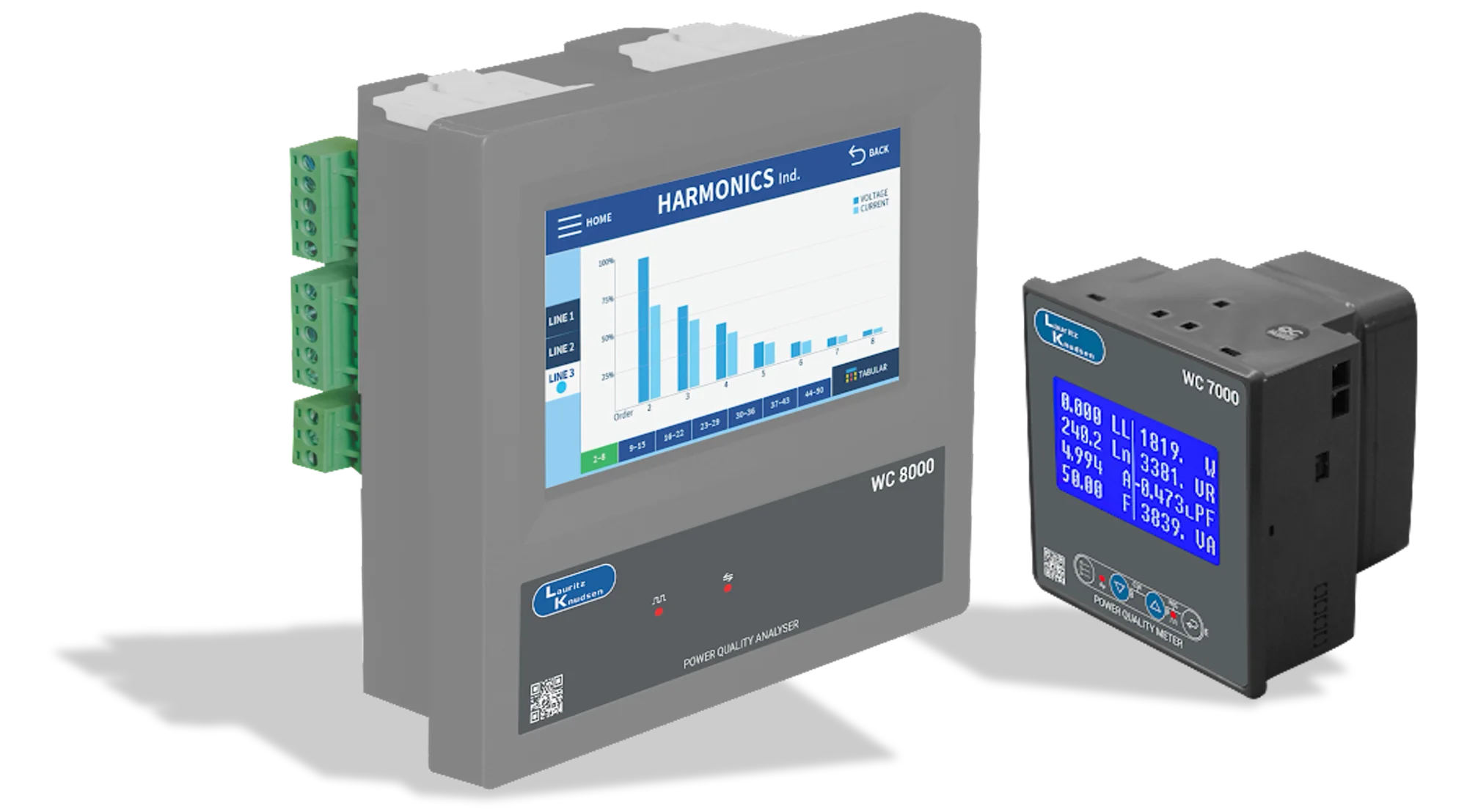
Power Quality Meters are advanced electrical monitoring devices that measure and analyze the quality of power supplied to an electrical system. They continuously track key electrical parameters and help identify issues that may affect equipment performance or energy efficiency.
These meters provide valuable insights into the health of an electrical network, allowing maintenance teams to detect problems before they lead to costly failures.
They are widely used in:
- Manufacturing facilities
- Commercial buildings
- Hospitals
- Data centers
- Power distribution systems
- Renewable energy plants
- Water treatment facilities
- Infrastructure projects
By providing real-time electrical data, power quality meters support informed decision-making and preventive maintenance.
Why Power Quality Monitoring Is Important
Electrical disturbances can significantly affect business operations. Voltage fluctuations, harmonics, overloads, and power interruptions may damage sensitive equipment and reduce productivity.
Monitoring power quality helps organizations:
- Reduce unexpected downtime
- Improve equipment lifespan
- Increase energy efficiency
- Prevent electrical failures
- Lower maintenance costs
- Support continuous operations
A well-monitored electrical system operates more efficiently and delivers greater long-term reliability.
How Power Quality Meters Work
Power quality meters continuously collect and analyze electrical data from the power distribution system.
Their operation generally involves several stages.
Data Measurement
The meter measures important electrical parameters, including:
- Voltage
- Current
- Frequency
- Power factor
- Active power
- Reactive power
- Harmonic distortion
- Energy consumption
Continuous Analysis
The collected information is analyzed to detect abnormalities or deviations from acceptable operating limits.
Event Recording
Power disturbances such as voltage dips, surges, interruptions, or harmonic events are automatically recorded for future analysis.
Reporting
Operators receive real-time information through display panels or monitoring software, allowing them to respond quickly to developing issues.
Key Benefits of Power Quality Meters
Installing Power Quality Meters offers numerous advantages for industrial and commercial facilities.
- Improved Equipment Protection
Early detection of electrical problems helps protect motors, transformers, drives, and sensitive electronic equipment.
Power quality monitoring identifies energy losses and supports more efficient power utilization.
Maintenance teams can identify developing problems before they cause equipment failures or production interruptions.
- Improved System Reliability
Continuous monitoring ensures electrical systems operate within safe performance limits.
Identifying power quality issues early reduces repair costs and extends equipment life.
Understanding the Role of OLR Relays
While monitoring power quality is essential, protecting motors from overload conditions is equally important.
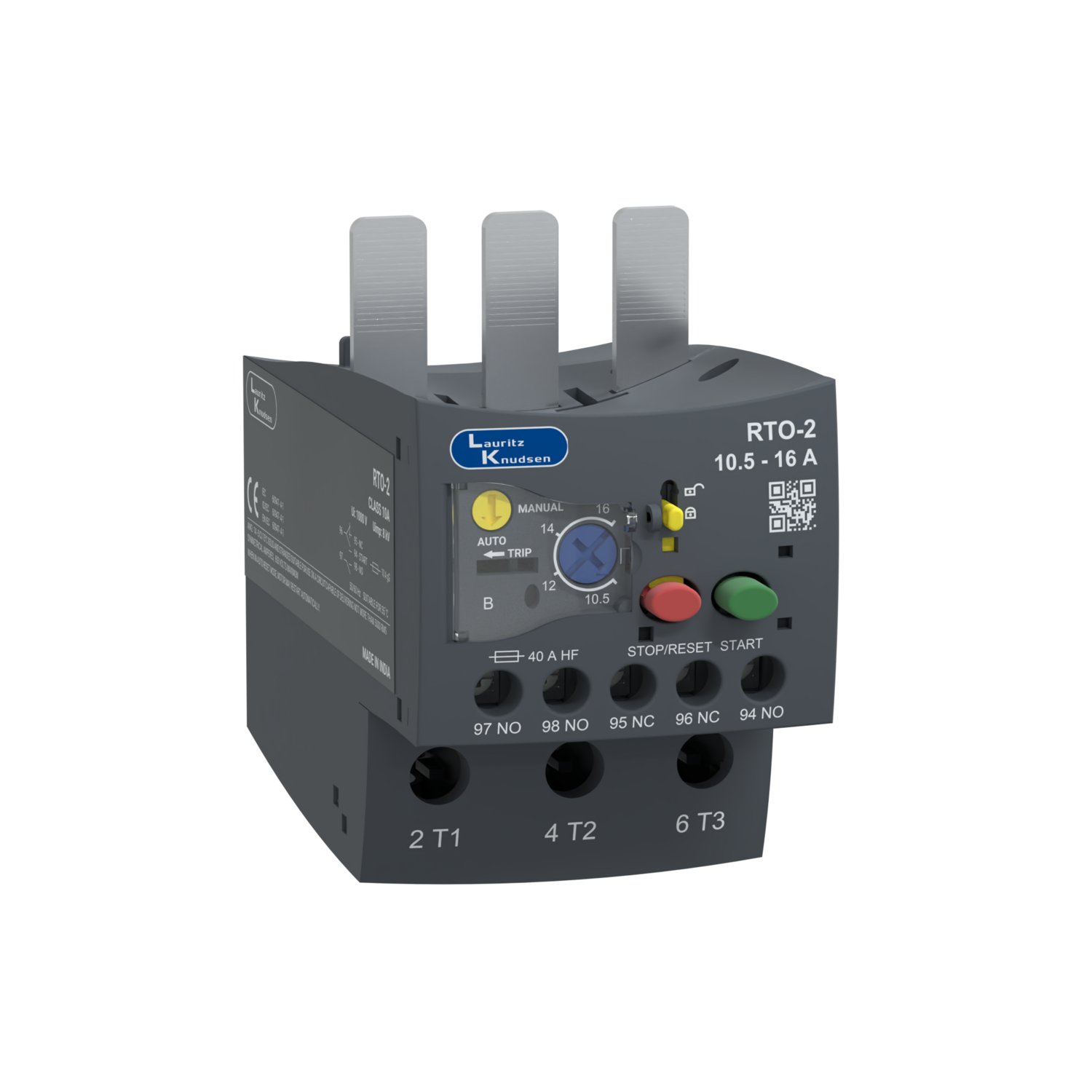
An OLR relay (Overload Relay) is designed to protect electric motors from excessive current that may cause overheating or permanent damage.
The relay continuously monitors motor current and disconnects the motor when overload conditions persist beyond safe operating limits.
OLR relays are commonly used in:
- Industrial motors
- Pumping systems
- Compressors
- Conveyor systems
- HVAC equipment
- Manufacturing machinery
Together, overload protection and power quality monitoring create a more reliable electrical system.
Benefits of OLR Relays
Installing an OLR relay provides several important benefits.
The relay prevents overheating caused by prolonged overload conditions.
- Reduced Maintenance Costs
Early protection minimizes motor damage and reduces expensive repairs.
Motors operating within safe limits generally last longer.
- Improved Workplace Safety
Automatic shutdown during overload conditions reduces the risk of electrical hazards and equipment failures.
Industrial Applications
Power quality meters and overload relays are widely used across numerous industries.
Monitor production equipment while protecting motors that drive automated machinery.
Ensure stable electrical performance for lighting, elevators, HVAC systems, and critical infrastructure.
Protect sensitive medical equipment from voltage disturbances and overloads.
- Renewable Energy Projects
Monitor electrical output and maintain reliable operation of renewable energy systems.
- Water and Wastewater Plants
Support continuous operation of pumps, treatment equipment, and electrical distribution systems.
Electrical Parameters Commonly Monitored
Power quality meters help organizations monitor multiple aspects of electrical performance.
These include:
- Voltage imbalance
- Current imbalance
- Frequency variation
- Power factor
- Harmonic distortion
- Voltage sags
- Voltage swells
- Energy consumption
- Peak demand
Monitoring these parameters allows businesses to improve operational efficiency and equipment reliability.
Best Practices for Electrical Monitoring
Organizations can maximize the value of power quality monitoring by following several best practices.
These include:
- Install meters at critical distribution points.
- Review electrical data regularly.
- Investigate abnormal trends immediately.
- Schedule preventive maintenance based on monitoring results.
- Test protection devices periodically.
- Maintain accurate maintenance records.
- Train personnel to interpret monitoring data effectively.
A proactive monitoring strategy helps reduce both operational risks and maintenance costs.
Future Trends in Electrical Monitoring
Electrical monitoring technologies continue evolving with digital innovation.
Emerging developments include:
Connected devices provide real-time monitoring across multiple facilities.
AI helps identify hidden electrical patterns and predict equipment failures.
Remote monitoring platforms allow engineers to analyze system performance from virtually anywhere.
Advanced analytics help schedule maintenance before failures occur, improving reliability and reducing downtime.
These technologies are transforming the way industries manage electrical systems.
Why Investing in Electrical Monitoring Matters
Modern businesses rely on uninterrupted electrical performance to maintain productivity and profitability.
Investing in power quality monitoring and motor protection provides several long-term benefits:
- Improved operational efficiency
- Lower maintenance expenses
- Better equipment reliability
- Reduced energy waste
- Enhanced workplace safety
- Greater business continuity
- Higher return on infrastructure investments
Reliable monitoring systems support smarter operational decisions while protecting valuable electrical assets.
Conclusion
Maintaining high-quality electrical power is essential for ensuring safe, efficient, and uninterrupted operations. Power Quality Meters help organizations monitor electrical performance, identify disturbances, and improve energy efficiency, while an OLR relay protects motors from damaging overload conditions. Together, these technologies create a more reliable and resilient electrical infrastructure. Lauritz Knudsen Electrical & Automation continues to power India's progress with over 70 years of expertise, a manufacturing footprint of 2.1 million sq. ft., and innovative electrical and automation solutions that serve residential, agricultural, commercial, infrastructure, and industrial sectors while setting new standards for quality, safety, and performance.