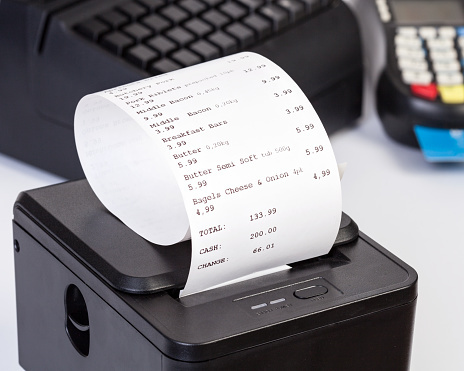
Understanding the Importance of a Receipt Printer for Your Business
For many organizations, particularly those in retail, hospitality, and services, a receipt printer is an essential tool. It plays a pivotal role in ensuring smooth transactions by providing customers with a printed record of their purchases. Whether you're operating a small café or a large retail chain, investing in the right receipt printer can streamline your operations, improve customer satisfaction, and help maintain accurate financial records. In this article, we’ll explore why a receipt printer is essential for business efficiency and what to consider when selecting one.
Why is a Receipt Printer Essential for Your Business?
A receipt printer offers several advantages that go beyond simply printing a receipt. The benefits of having a high-quality receipt printer in your business include improved customer experience, quicker transactions, and better record-keeping.
Faster Transactions:
Receipt printers are designed for quick printing, ensuring that customers can complete their transactions swiftly. In a busy retail environment or during peak hours, time efficiency is key. A fast receipt printer can make a significant difference by reducing wait times and improving overall customer experience.
Accurate Record-Keeping:
A receipt printer helps maintain accurate records of every transaction made in your business. This is particularly important for tax reporting, returns, or warranty claims. By keeping physical copies of sales receipts, you can ensure that your financial records are always up-to-date and reliable.
Professionalism:
Providing customers with neatly printed receipts adds a level of professionalism to your business. It shows that you are organized and care about the customer's experience. Plus, many receipt printers offer customizable templates, allowing you to include your business’s branding and important information, such as return policies and contact details.
How a POS Enhances the Receipt Printer Experience
In many modern businesses, a point of sale (POS) system is used alongside receipt printers to create a seamless transaction process. The integration of a POS machine and a receipt printer makes it easier to manage sales, track inventory, and print receipts. POS systems not only handle transactions but also help in managing customer information and generating reports for business analytics. Combining a receipt printer with a POS machine improves overall efficiency, accuracy, and customer satisfaction.
What to Look for When Choosing a Receipt Printer?
Choosing the right receipt printer for your business is crucial to ensure it meets your operational needs. Below are key features to consider when selecting a receipt printer:
Speed and Print Quality:
The speed at which a receipt printer can generate receipts is one of its most important features. A slower printer can create bottlenecks during high-volume transactions, leading to frustrated customers. Ensure you choose a printer that delivers fast, high-quality prints to avoid delays.
Connectivity:
Receipt printers come with various connection options, such as USB, Bluetooth, and Wi-Fi. The best choice for your business will depend on your existing infrastructure and where you want to place the printer. For example, if you need a mobile point of sale (POS) system, a Bluetooth or Wi-Fi printer might be the best choice.
Durability and Cost of Operation:
A good receipt printer should be able to withstand the demands of daily use. Make sure you select a durable model that can handle heavy printing volumes without compromising on performance. Additionally, consider the cost of paper rolls and ink/toner. Thermal receipt printers, for example, are cost-effective since they don’t require ink.
Compatibility with Your POS System:
Ensure that the receipt printer you choose is compatible with your point of sale (POS) system. It should integrate seamlessly with your software, whether you're using a traditional POS or a mobile POS solution. Many modern POS systems offer plug-and-play options for easy printer integration.
Receipt Paper Size:
The size of the receipt paper is another consideration. Most receipt printers use either 2-inch or 3-inch wide thermal paper rolls. Choose a printer that fits the paper size you prefer or that is required for your business type.
Types of Receipt Printers
There are several types of receipt printers to choose from, each with its own features and applications. The two most common types are:
Thermal Receipt Printers:
Thermal printers are the most popular option for modern businesses. They use heat to print on specially coated paper, which eliminates the need for ink or toner. Thermal receipt printers are fast, low-maintenance, and reliable, making them ideal for high-volume environments such as restaurants and retail stores.
Impact Receipt Printers:
Impact printers use an ink ribbon to transfer characters onto paper, much like a traditional dot matrix printer. These printers are often used in environments where carbon copies of receipts are needed, such as for invoices or credit card receipts. While they are slower and noisier than thermal printers, they offer greater versatility and durability.
Last Words
A receipt printer is a must-have tool for any business that deals with transactions. By investing in a reliable, fast, and high-quality receipt printer, you can enhance your customers’ experience, maintain accurate records, and improve the efficiency of your operations. With many options available, it’s important to choose a printer that best suits your business’s needs. Whether you opt for a thermal or impact printer, ensuring compatibility with your POS system and considering factors such as print speed, durability, and paper size will help you make the best decision.Discover related content by exploring here.